

With the rapid development of intelligent manufacturing and automated inspection, Industrial cameras have become a core component of machine vision systems. Whether in electronics manufacturing, automotive parts inspection, food packaging, or medical imaging, industrial cameras provide high-resolution, low-noise, and highly stable image acquisition capabilities, providing strong support for efficient and accurate production inspection.
What are the requirements for industrial cameras?
In machine vision applications, the requirements for industrial cameras primarily focus on the following aspects:
High Resolution and High Precision: Industrial cameras must have sufficient resolution to capture subtle surface defects on products. For example, in semiconductor inspection and PCB inspection, only high-resolution images can effectively identify micron-level cracks or defective solder joints.
High-Speed Imaging and Data Transmission: On high-speed production lines, cameras must not only have high frame rates but also be compatible with high-speed interfaces such as USB 3.0, GigE, and CoaXPress to ensure data transmission and processing within milliseconds without affecting production efficiency.
Stability and Reliability: Industrial environments are often harsh, and cameras must operate stably over extended periods to avoid image jitter, signal loss, and image quality degradation due to temperature fluctuations.
Environmental Adaptability: Different application scenarios require different cameras, such as higher sensitivity in low-light environments and IP67 protection in high-temperature or dusty environments.
Flexible Compatibility: Cameras should be compatible with different lenses, lighting sources, and image processing software, allowing customers to flexibly combine them according to project requirements and improve system integration.
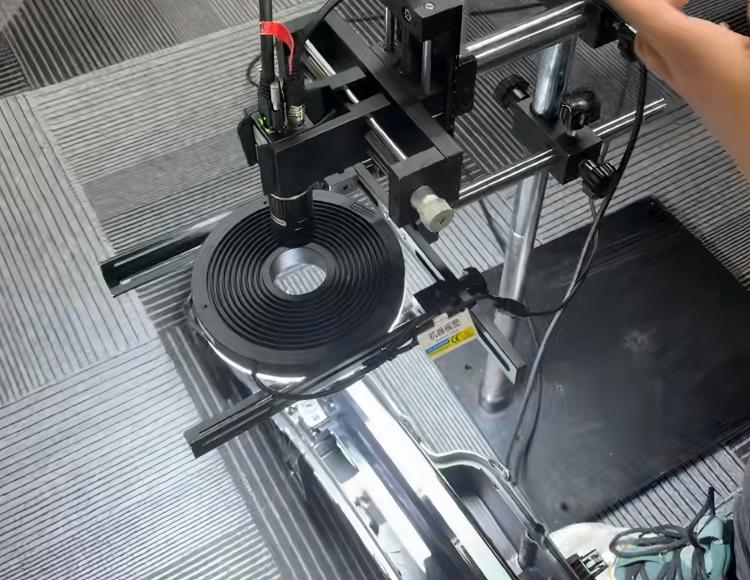
How to choose an area scan camera?
Area scan cameras are the most common type of industrial camera, typically used for 2D image acquisition. Key considerations when selecting a camera include:
Resolution: This determines whether the camera can capture sufficient detail. For electronic component and chip defect inspection, cameras with a resolution of 5MP or higher are recommended. For general dimensional measurement or appearance inspection, medium- to low-resolution cameras are sufficient.
Sensor surface size: The sensor surface size directly influences lens selection. If the surface is too large and the lens is incompatible, image edges may be blurred or the field of view may be limited. Therefore, lens specifications should be considered when selecting a camera.
Interface type: Select an interface based on production line bandwidth requirements, such as USB 3.0, GigE, or Camera Link. Consider production line speed, image processor performance, and transmission distance when selecting an appropriate interface.
Application scenarios: Examples include electronics inspection, packaging inspection, defect recognition, machine positioning, and character reading.
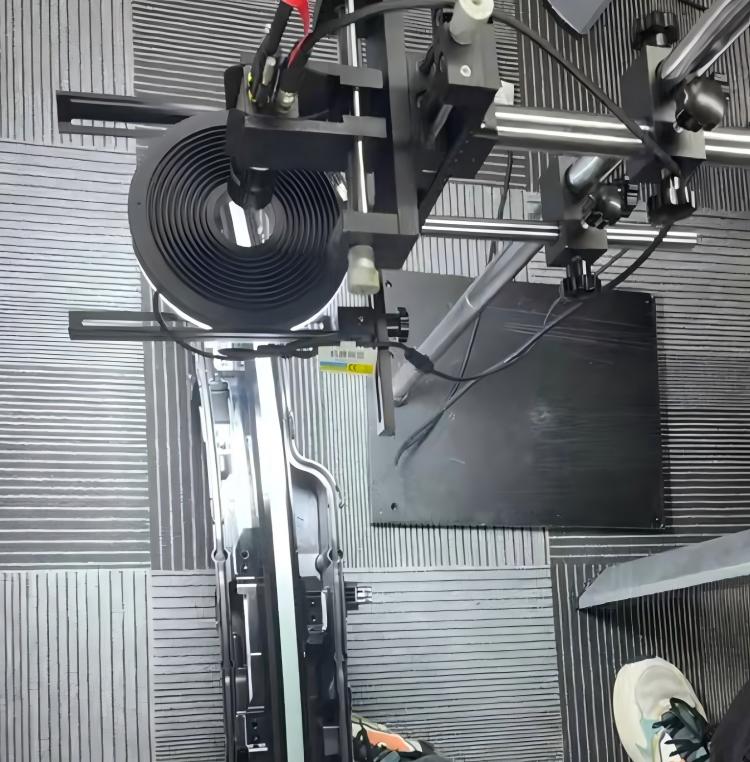
What are the common types of industrial cameras?
Currently, common industrial cameras are mainly divided into the following categories:
Area scan cameras: Suitable for 2D image inspection and most vision applications.
Line scan cameras: Used in scenarios such as high-speed web inspection and PCB scanning.
3D cameras: Enable 3D measurement and modeling, commonly used for dimensional inspection and volume measurement.
Smart cameras: Features built-in processing chips and integrated algorithms, enabling independent inspection and analysis tasks.
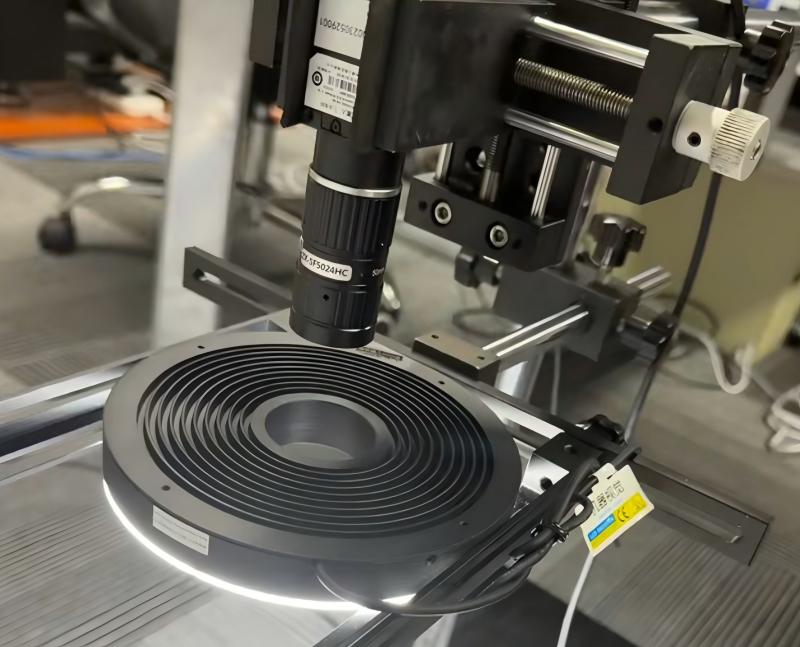
Five Key Factors in Industrial Camera Selection
In practical applications, the right camera selection determines the success or failure of the entire machine vision system. Consider the following five key factors:
Resolution: Determines image clarity and detection accuracy.
Frame rate: Impacts real-time performance in high-speed production lines.
Pixel size: Affects the camera's light sensitivity and image quality.
Interface and bandwidth: Ensure stable and efficient data transmission.
Application environment: Choose a model that is dustproof, waterproof, or resistant to high and low temperatures to accommodate different work scenarios.
Industrial cameras, as the core of machine vision systems, have been widely used in various fields such as precision manufacturing, semiconductor inspection, medical imaging, and intelligent transportation. Camera selection not only affects image quality and inspection accuracy but also directly impacts production efficiency and long-term system stability. During the selection process, companies need to comprehensively consider multiple factors, including the resolution, pixel size, target surface size, frame rate, interface type, and application environment of the vision device to find the optimal vision solution for each scenario. As a provider of a full range of industrial camera and lens vision solutions, Zhixiang Shijue provides more solid technical support for intelligent manufacturing and industrial upgrading for more companies.


