

Industrial cameras are a core component of machine vision systems. Their main function is to convert the light signals reflected from the object being measured into ordered electrical signals, providing a stable and reliable data foundation for subsequent image processing and intelligent analysis.
After the light is imaged by the industrial lens, it is projected onto the photosensitive sensor inside the camera. These sensors typically use CCD (Charge-Coupled Device) or CMOS (Complementary Metal-Oxide-Semiconductor) technology.
With the continuous advancement of intelligent manufacturing and automation, industrial cameras have become an indispensable key equipment in modern industrial production.
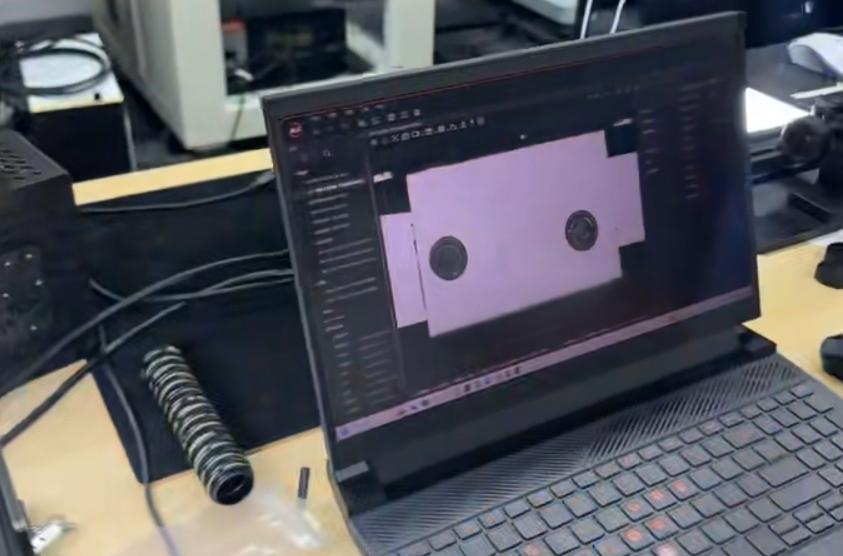
The Importance of Industrial Cameras
In modern industrial fields, industrial cameras are widely used in production monitoring, quality control, and automation systems. Compared to ordinary consumer cameras, industrial cameras not only possess higher imaging stability and environmental adaptability, but can also continuously and accurately acquire critical image data on high-speed production lines, supporting enterprises in achieving refined management and intelligent decision-making.
1. Quality Control Issues
Industrial cameras, combined with image processing and vision algorithms, can perform automated defect detection on products, effectively identifying defects such as dimensional deviations, surface scratches, foreign objects, and missing parts.
With their high resolution and high consistency imaging capabilities, industrial cameras can capture subtle details, enabling precise detection of product dimensions, shapes, and surface quality, making them a core tool for ensuring product consistency and stability.
2. Improving Production Efficiency
Industrial cameras have high-speed image acquisition and real-time processing capabilities, allowing for continuous monitoring of various stages of the production line, promptly detecting potential anomalies and providing rapid feedback.
By introducing machine vision systems, enterprises can achieve high-speed, high-precision, and non-contact inspection, effectively reducing manual intervention and improving overall production speed and line efficiency.
3. Automation and Intelligence
In automated production systems, industrial cameras play a crucial role in "visual perception."
They can work in conjunction with robots, PLCs, motion control systems, and other equipment, using image recognition and analysis to complete tasks such as product inspection, positioning, sorting, and packaging. This reduces labor costs and improves production consistency and overall quality levels.
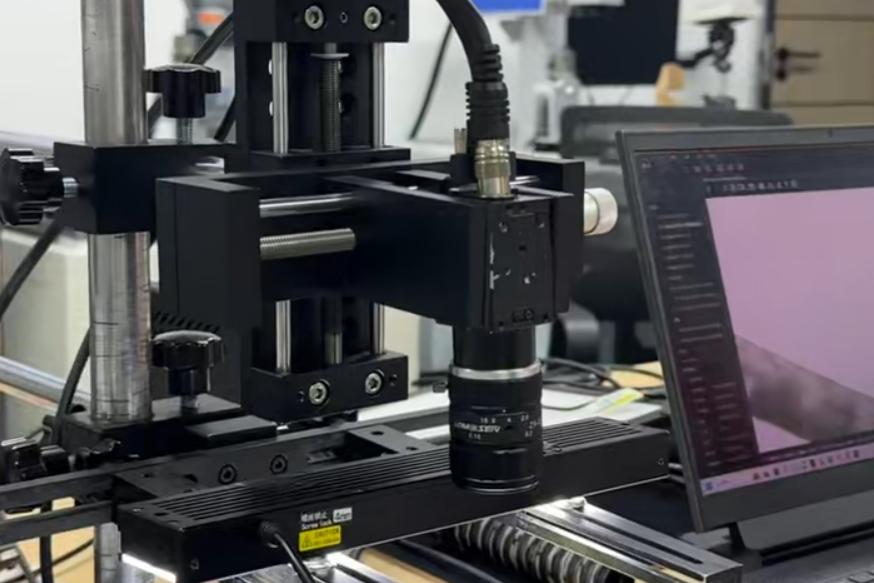
Main types and applications of industrial cameras
1. Classified by Image Sensor Type
CCD Industrial Cameras
CCD cameras are characterized by low noise and high image consistency, making them suitable for applications requiring extremely high image quality, such as scientific imaging, medical inspection, and high-end precision industrial inspection.
CMOS Industrial Cameras
CMOS cameras have significant advantages in speed, power consumption, and cost, and are the mainstream choice in the current market. They are widely used in production line inspection, robotic vision guidance, and logistics sorting.
2. Classified by Output Color
Color Industrial Cameras
Color cameras can acquire rich color information and are suitable for color recognition and color difference detection, such as food appearance inspection, printed product color inspection, and packaging quality inspection.
Black and White (Monochrome) Industrial Cameras
Black and white cameras are more sensitive to light and perform better in grayscale resolution and detail rendering. They are often used in high-precision applications such as dimensional measurement and surface defect detection.
When color judgment is not involved, black and white industrial cameras are usually a more cost-effective option.
3. Classified by Scanning Method
Area Scan Industrial Cameras
Area scan cameras can acquire a complete two-dimensional image in a single shot, suitable for static object detection or high-speed capture scenarios, such as appearance inspection, dimensional measurement, and QR code reading.
Line Scan Industrial Cameras
Line scan cameras acquire images line by line and stitch them together to form a complete image, particularly suitable for high-speed continuous production and high-precision inspection. Examples include online inspection of printed materials, and surface inspection of metal sheets and films.
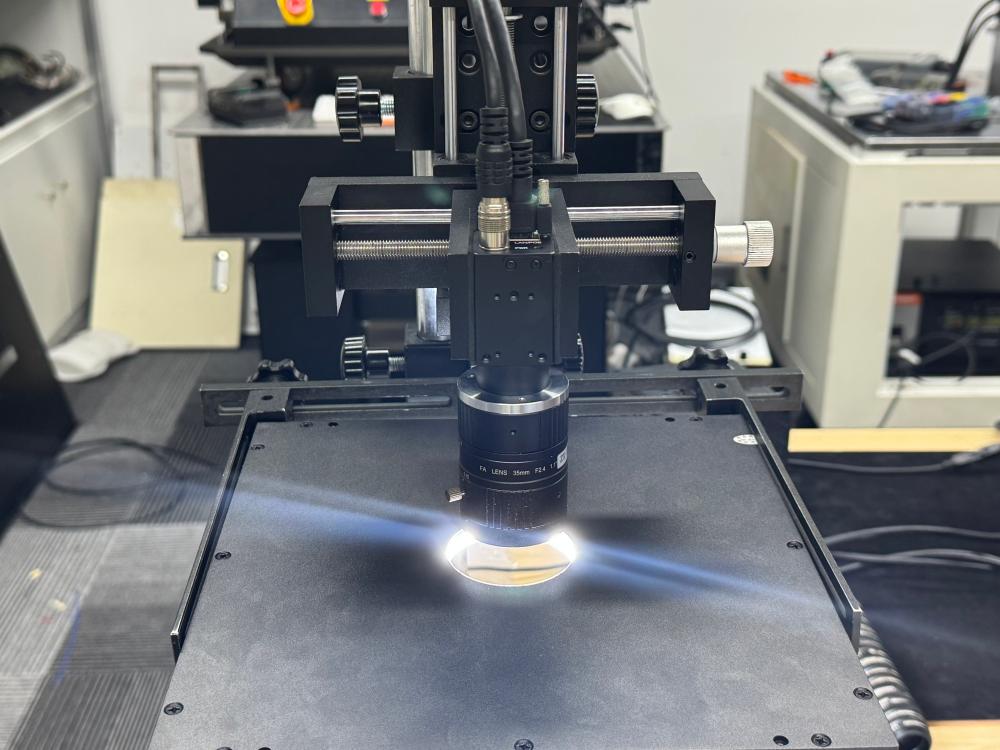
4. Classified by Number of Spectral Bands
Hyperspectral Industrial Cameras
Hyperspectral cameras have extremely high spectral resolution, covering hundreds or even thousands of continuous bands, suitable for material composition analysis, micro-defect identification, and food and drug quality and safety testing; they also have significant value in geological, environmental, and biomedical research.
Multispectral Industrial Cameras
Multispectral cameras have a relatively small number of spectral bands, but offer faster imaging speed and lower system complexity, and are commonly used in applications with moderate spectral accuracy requirements, such as agricultural monitoring, forest surveys, and target recognition.
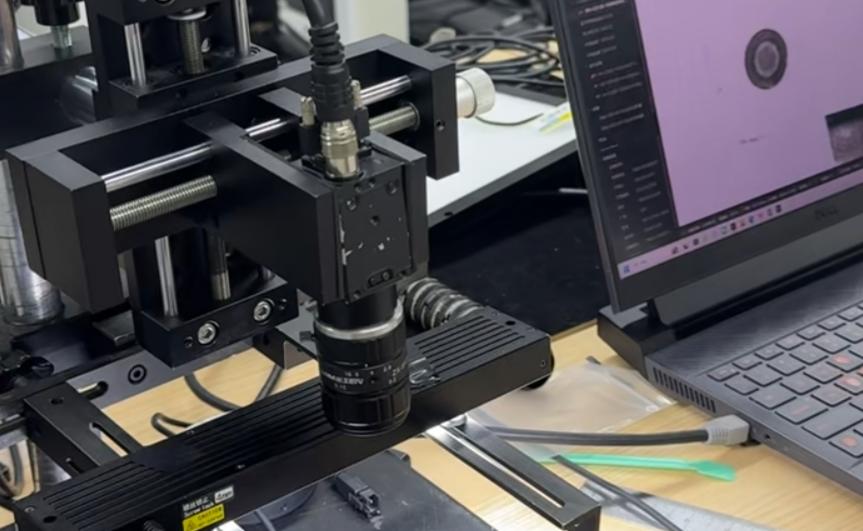
How to choose and use industrial cameras
1. Clearly Define Application Requirements
Before selecting a camera, the detection targets and requirements should be clearly defined based on the specific application scenario. Factors such as resolution, frame rate, field of view, and interface type should be considered to ensure the industrial camera meets actual production needs.
2. Understand Technical Characteristics
Different types of industrial cameras have different strengths in imaging methods and performance. Understanding their technical characteristics, such as monochrome vs. color, high speed vs. high resolution, will help in making a more informed choice.
3. Consider the Operating Environment
Industrial cameras often need to operate in complex environments such as high temperatures, low temperatures, dust, or high humidity. Therefore, the camera's stability, reliability, and environmental adaptability should be a key consideration.
4. Software and System Integration
In addition to the hardware itself, image processing software, interface devices, and system compatibility are equally important. Appropriate software and supporting equipment can maximize the performance of the industrial camera and improve the stability and efficiency of the overall vision system.
Industrial cameras, as the "eyes" of machine vision systems, play a crucial role in modern intelligent manufacturing. Proper selection and scientific application of industrial cameras can not only improve product quality and production efficiency but also provide solid support for enterprises to achieve automation and intelligent upgrades.
FAQ
1. Which industries are industrial cameras suitable for?
Industrial cameras are widely used in industries such as electronics manufacturing, 3C products, automotive manufacturing, food and beverage, pharmaceuticals, new energy, and logistics sorting. Any scenario involving quality inspection, process monitoring, automated production, and precision measurement can benefit from the efficient and stable visual inspection capabilities of industrial cameras.
2. How much do industrial cameras cost?
The price of industrial cameras varies depending on factors such as resolution, frame rate, sensor type, interface type, and functional configuration.
Generally, industrial cameras with high resolution, high frame rate, or special functions (such as high-speed, line scan, or multispectral) are more expensive, but they also offer superior performance in terms of image quality, stability, and detection efficiency.
3. What aspects should be considered for the daily maintenance of industrial cameras?
To ensure long-term stable operation, the following should be considered during the use of industrial cameras:
Regularly clean the lens to prevent dust and stains from affecting image quality;
Maintain a reasonable operating temperature to prevent overheating or freezing;
Protect interfaces and cables, avoiding frequent plugging, unplugging, pulling, or bending;
Prevent severe vibration and impact to extend the equipment's service life.
4. How is image processing performed with industrial cameras?
Industrial cameras are usually used in conjunction with professional image processing software or machine vision systems. They can perform various image processing functions such as edge detection, color recognition, size measurement, and defect detection.
Through algorithmic analysis, these processing results can be directly used in industrial applications such as quality control, automatic inspection, sorting, and classification.
5. What are the differences between industrial cameras and traditional cameras?
Compared to traditional consumer cameras, industrial cameras require higher levels of stability, reliability, and environmental adaptability.
Industrial cameras can operate stably for extended periods in complex industrial environments with high temperatures, dust, and electromagnetic interference. They also support high-speed, continuous, and precise image acquisition and processing, making them more suitable for industrial automation and machine vision applications.


